Anthropic is moving one of the clearest signs yet that AI-assisted development is being limited less by model quality than by infrastructure. In a May 6 announcement, the company said it had agreed to a compute partnership with SpaceX and, as a result, was raising usage limits for Claude Code and the Claude API.
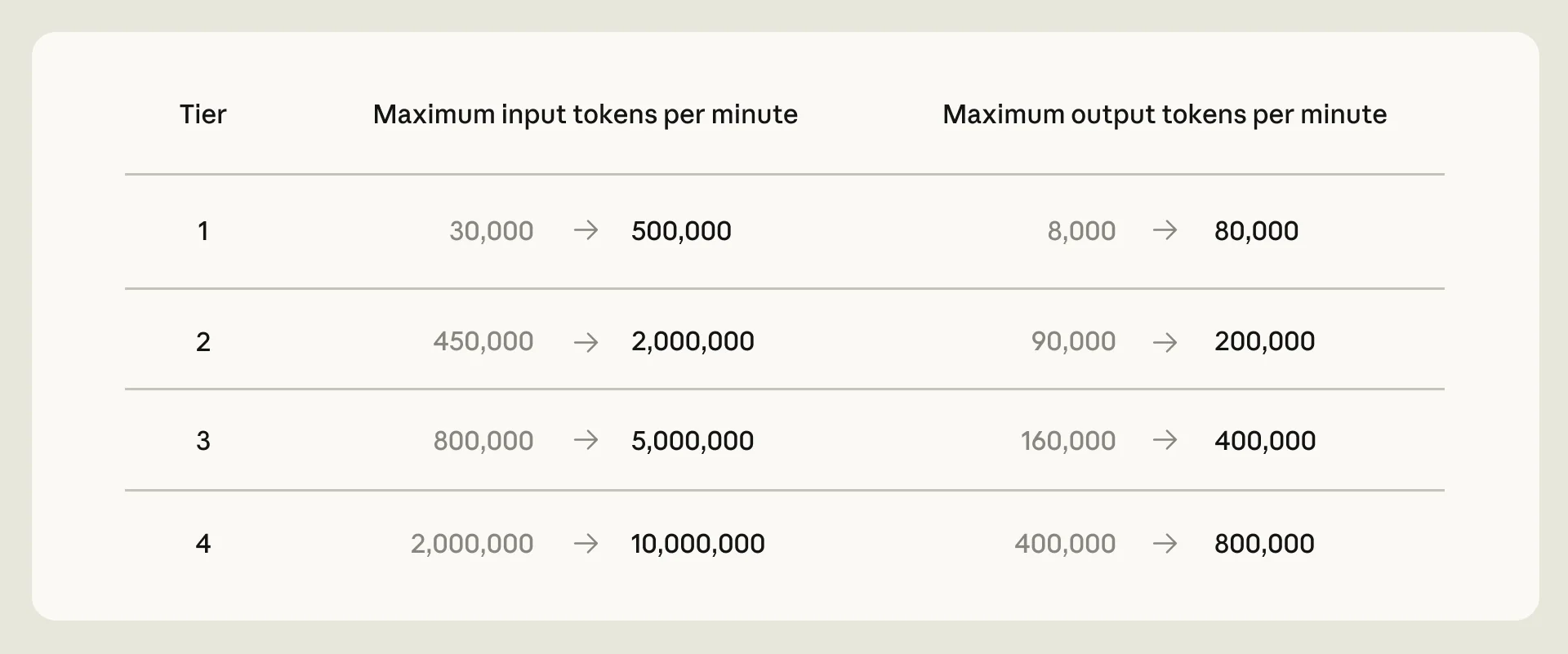
For teams using Claude as part of day-to-day coding work, the immediate change is practical. Anthropic said it is doubling Claude Code’s five-hour rate limits for Pro, Max, Team, and seat-based Enterprise plans. It also removed the peak-hours limit reduction for Pro and Max users and substantially raised API limits for Claude Opus models.
Why this matters for developers
AI coding workflows are increasingly agentic. That means the model is no longer just suggesting a line or two inside an editor; it may be planning a refactor, reading files, running tests, and iterating through several tool calls before a task is complete. Those sessions burn through tokens and rate limits quickly.
When limits are too tight, teams feel it in very concrete ways: interrupted debugging sessions, stalled code-generation runs, and a need to split larger changes into smaller chunks than the workflow really wants. Raising the ceiling does not make the model smarter, but it can make it usable for longer, more realistic software tasks.
The infrastructure story behind the product change
The bigger signal is that compute is becoming a product feature. Anthropic framed the SpaceX deal as part of a broader effort to expand capacity, and it said other recent compute deals helped make the higher limits possible. In other words, the ability to keep AI coding tools available at scale is now tied to the same industrial logic that powers cloud services, not just model releases.
That matters because the next round of competition in AI-assisted development may not be won by whoever ships the flashiest demo. It may be won by whoever can keep advanced coding agents responsive, affordable, and available without forcing developers to watch their quota meter every few minutes.
What to watch next
- Whether the new limits hold up under real-world developer demand rather than launch-day traffic.
- Whether other coding-assistant vendors respond with larger quotas or different pricing.
- Whether enterprises start treating compute capacity and rate limits as procurement issues, not just model-selection issues.
For now, Anthropic’s message is straightforward: if AI coding agents are going to become a normal part of software delivery, the companies behind them need to provision them like critical infrastructure.