OpenAI is no longer treating AI coding as a novelty for individual power users. A Reuters report says the company is leaning on global consultancies to expand Codex use inside large companies, a sign that the next phase of AI-assisted development is less about model demos and more about distribution, governance, and workflow design.
That shift matters because the hardest part of shipping AI coding inside an enterprise is rarely the model prompt. It is everything around it: access to private repositories, policy enforcement, review discipline, auditability, and the question of who is allowed to let an assistant touch production code. Consultancies already specialize in that kind of change management, so they are a natural channel for turning a coding model into a managed deployment.
AI coding is moving from feature to operating model
For the first wave of copilots, the pitch was simple: type less, generate faster. That still matters, but it is no longer enough. Large engineering organizations want assistants that can work with their existing stack, respect security boundaries, and fit into code review and release processes without creating a parallel shadow workflow.
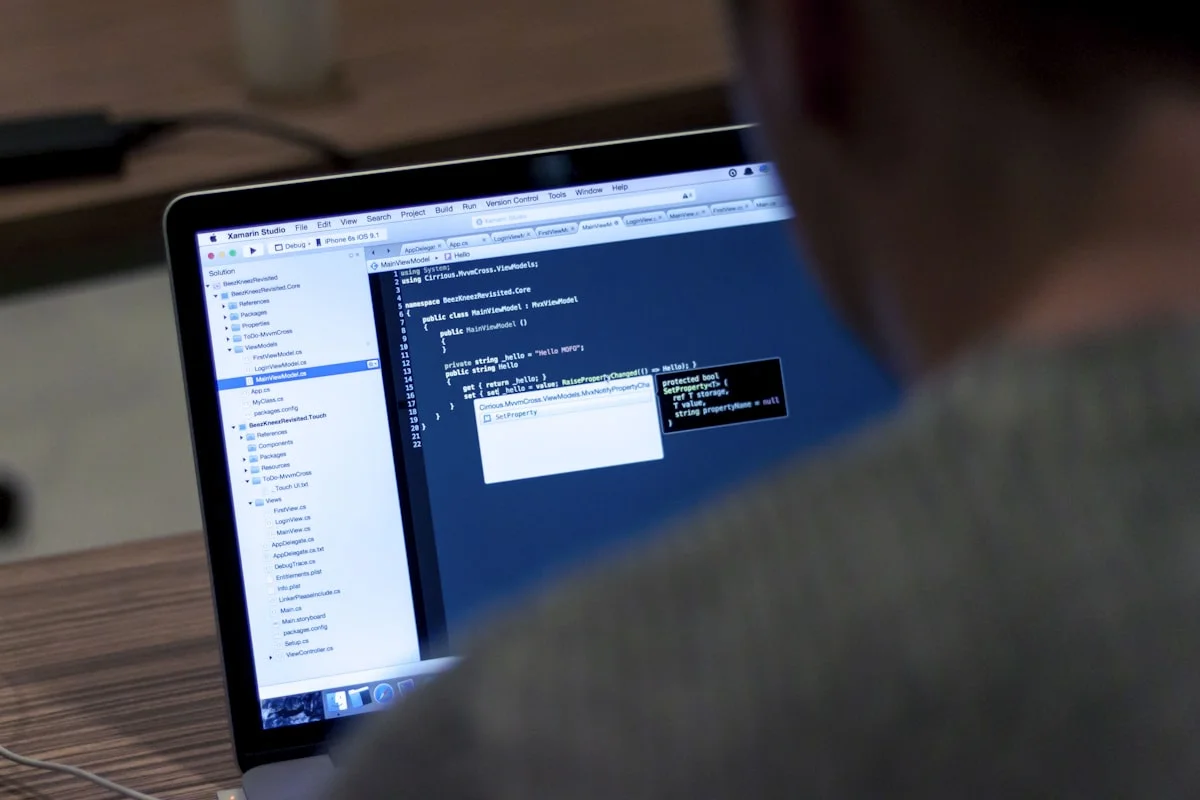
The real constraint is integration. The tool has to live inside the IDE, connect to the right repositories, understand project-specific context, and produce changes that a team can actually review. The companies that win this phase will not just have the strongest model; they will have the strongest deployment playbook.
Why consultancies are becoming part of the product
Consultancies are often the first stop for large firms trying to modernize software delivery. They help map out where an AI coding assistant should be used, where it should be blocked, and how to measure whether it saves time or simply adds another layer of review work.
That role is especially important for AI-generated code, because the savings only show up when the organization can absorb the output safely. If a team cannot evaluate changes quickly, if security teams cannot trace what the assistant touched, or if platform teams cannot enforce policy, the tool may create more friction than value. In that sense, consultancies are not just sales partners; they are the translation layer between a model vendor and a conservative enterprise.
The competitive pressure is getting sharper
OpenAI is not operating in a vacuum. Anthropic, GitHub, Cursor, Google, and other vendors are all pushing deeper into developer workflows. The obvious competition is about coding quality, but the more strategic competition is about who becomes the default layer for enterprise software creation.
That is why the current battle looks less like a simple chatbot rivalry and more like a platform war. If AI coding tools become part of standard engineering procurement, then the winners will be the vendors that can offer administration, usage controls, policy hooks, and support for large deployments rather than just flashy demos.
What developers should watch next
The next useful signals will not be just model release notes. Watch for packaged governance controls, better repository permissions, clearer audit trails, and tighter integration with code review systems. Also watch whether companies begin routing routine tasks to cheaper coding models while reserving stronger models for harder refactors and multi-file changes.
If OpenAI can make Codex feel like a managed enterprise capability instead of a one-off assistant, that will tell us something important about where AI-assisted development is heading. The story is no longer whether AI can write code. It is whether organizations can turn AI-generated code into a reliable, governable part of the software factory.