GitHub has spent the last few months nudging Copilot away from a simple autocomplete box and toward something closer to an execution layer for software work. The newest sign of that shift is /fleet in Copilot CLI: a command that can split one objective into several smaller jobs, launch multiple agents at once, and then reassemble the results.
That sounds like a product demo headline, but it matters because it changes where AI fits in the developer workflow. Instead of asking a single assistant to answer, rewrite, or explain one thing at a time, developers can now ask for a coordinated burst of work across several files, tests, and docs. In other words, the terminal is no longer just a place to run commands. It is becoming a place to orchestrate labor.
What GitHub actually launched
In its announcement, GitHub describes /fleet as a Copilot CLI slash command that dispatches multiple subagents in parallel. The orchestrator breaks the objective into independent work items, identifies which pieces can run side by side, waits on dependencies, and synthesizes the output at the end. Each agent keeps its own context window, while the shared filesystem stays common to the whole operation.
That distinction is important. A single chat assistant is good at conversation. A fleet of agents is good at coordination. Once the task turns into a graph of smaller pieces, the bottleneck is no longer the model’s ability to generate text; it is the system’s ability to manage dependencies without making a mess.
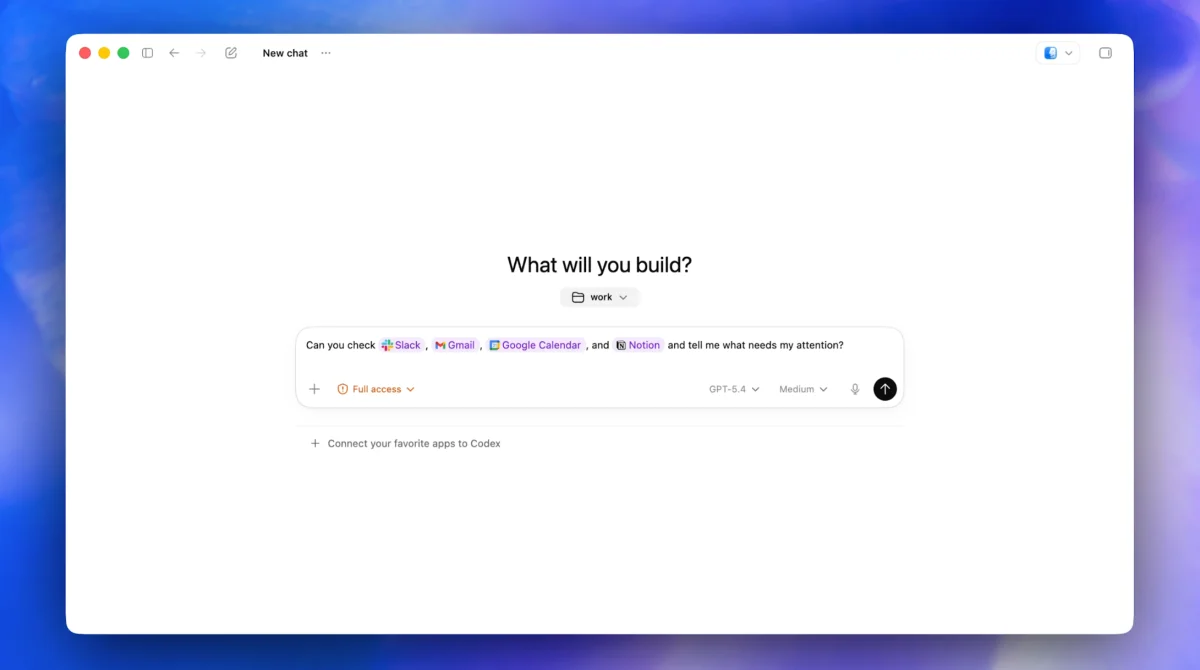
GitHub is also positioning this as a practical command-line workflow, not a research prototype. The company shows the command being used directly in Copilot CLI and also supports a non-interactive mode for scripted use. That pushes agentic work closer to the tools developers already trust: shells, scripts, repo-local files, tests, and CI-like habits.
Why this is bigger than a single feature
The real story is not that GitHub added another AI feature. It is that GitHub is formalizing a new mental model for software work. For years, developer tools have optimized for one person, one task, one window. Even when copilots arrived, they mostly fit that pattern: one prompt, one answer, one edit.
/fleet suggests a different shape. Modern software tasks are often already parallelizable. A refactor may touch a service layer, a test suite, and a piece of documentation. A bug fix may require a code change, a repro script, and a checklist for reviewers. A migration may need separate work on the application, the build system, and the deployment notes. Humans have always decomposed that work mentally; now the tool can do part of the decomposition itself.
That is why this announcement lands as a workflow story, not just a product story. It gives teams a native way to express tasks as bundles of independent deliverables. If the prompt is specific enough, the agent can parallelize. If the prompt is vague, the system falls back to sequential work, which is usually slower and less predictable. The quality of the prompt becomes the quality of the task graph.
What developers should pay attention to
There are three practical implications for software teams.
- Prompts become plans. A good
/fleetinstruction looks less like a question and more like a scoped assignment. Teams will need to think in terms of deliverables, dependencies, and boundaries. - Review becomes more important, not less. Parallel agents can move faster, but they can also diverge faster if the objective is unclear. Human oversight still matters for correctness, style, security, and architecture.
- Terminal workflows become shareable. Because the command can be scripted or reused, the best prompts may eventually behave like team conventions: repeatable patterns for refactors, triage, docs updates, and test generation.
That last point is easy to miss. The moment agentic workflows are encoded in shell commands, they start to look a lot more like infrastructure than like a chat session. That makes them easier to teach, easier to document, and easier to standardize across a team.
Where /fleet will help most
The strongest use cases are the ones with clean boundaries and visible output. Think of multi-file refactors, documentation overhauls, test expansion, repo cleanup, and issue triage. Those are the jobs where a human already knows how to split the work, and the agent can help by executing the splits faster.
It is less compelling for tasks that are tightly coupled or underspecified. If every file depends on every other file, parallelism adds coordination overhead. If the prompt is ambiguous, the orchestrator has too little structure to divide the work safely. And if the task requires private credentials, production data, or irreversible actions, the team still needs policy and guardrails before speed.
That caution matters because agentic coding tools are drifting from “help me write this function” toward “help me finish this objective.” The moment a tool starts managing more than one subtask, it becomes part of the system design problem. Teams will need to decide which classes of work are safe to delegate, which need approval, and which should stay manual.
Why the timing matters
This feature lands in the same broader wave as GitHub’s recent Copilot CLI general availability push and the company’s steady expansion of agent-oriented products. The pattern is consistent: GitHub is betting that developers do not just want AI inside the editor. They want AI across the full path from idea to pull request, including the terminal where much of the real coordination still happens.
That is a meaningful bet for software teams. The terminal remains one of the few environments where developers can combine automation, review, scripting, and local context without switching tools. If Copilot can sit there and behave like an orchestrator, it becomes useful not just for coding, but for the entire maintenance loop around coding.
GitHub’s message is simple: the next leap in developer AI is not another chat bubble. It is a system that can divide work, run it in parallel, and hand back a coherent result.
The bigger product shift
For a while, the AI coding market was mostly judged on output quality: who writes the best snippet, who suggests the best next line, who creates the prettiest demo. Those metrics still matter, but they are no longer enough. As code assistants move into agent mode, the harder questions are about orchestration, trust, and reproducibility.
That is why /fleet is interesting even if you never run it exactly as GitHub imagined. It signals that the competitive edge is moving from raw generation to workflow design. The products that win will not just write code. They will help teams manage how code gets decomposed, delegated, verified, and merged.
In that sense, GitHub’s latest Copilot move is less about a terminal trick and more about the future shape of engineering work. The assistant is becoming a manager of small jobs. The developer is becoming the reviewer of the plan. And the terminal is becoming the control room.