Meta’s latest organizational move is small in headline form and large in implication. Reuters reports that the company is shifting top engineers into a new AI tooling team, which is another sign that the AI race is moving deeper into the software stack. The public conversation still focuses on flashy demos, chatbot launches, and benchmark scores. Inside real engineering organizations, though, the bigger prize is increasingly the tooling layer that makes AI practical every day.
That matters because AI-assisted development is no longer just about giving developers a smarter autocomplete box. The organizations that are getting real value out of AI are treating it as infrastructure: a set of systems for code generation, review, test creation, search, summarization, workflow automation, and model routing. Once that happens, the question changes from Which model is best? to Which internal platform helps engineers ship faster with fewer mistakes?
Why internal tooling is the real differentiator
At a large company like Meta, the bottleneck is not whether an AI model can write a function or summarize a pull request. The bottleneck is whether those actions fit the company’s security rules, coding standards, deployment flow, and review process. A dedicated tooling team exists to turn scattered experiments into a repeatable system. That usually means building shared interfaces, logging, access controls, eval harnesses, prompt management, and feedback loops that let engineers trust what the system produces.
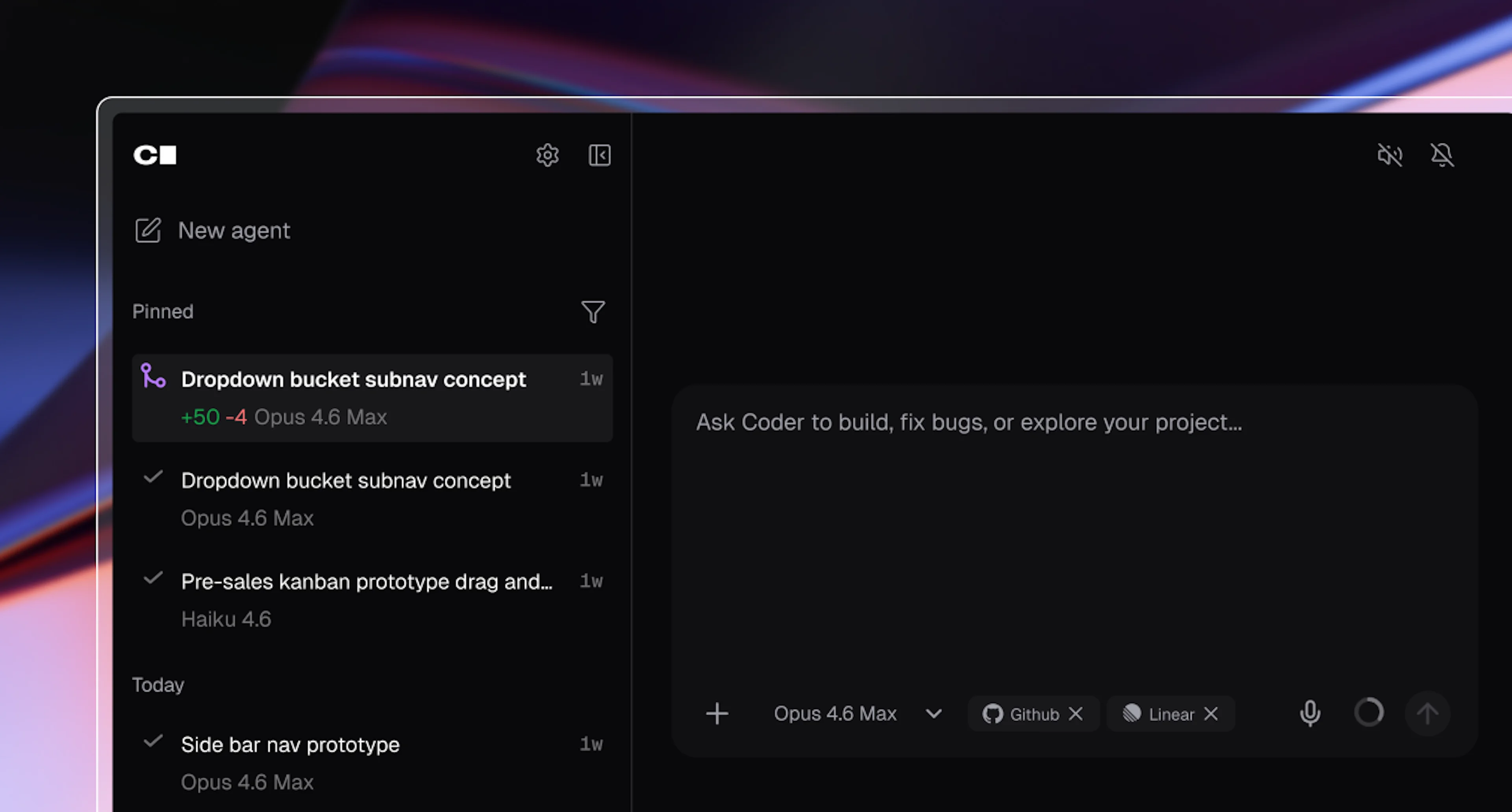
In practice, that can transform AI from a novelty into a work surface. Instead of asking engineers to open a separate chatbot tab, internal tooling can push AI directly into the places where work already happens: editors, code review systems, issue trackers, documentation portals, and build pipelines. The best version of this is not just faster typing. It is better decision support, cleaner handoffs, and fewer cycles wasted on low-value work.
What this says about the state of AI-assisted development
Meta’s move also reflects a broader industry truth: the competitive edge is shifting from raw access to models toward operational excellence. Any company can buy API access or adopt an off-the-shelf coding assistant. Far fewer can integrate AI in a way that respects internal policies, avoids leaking sensitive code, and produces measurable productivity gains.
That is why more organizations are building a platform layer around AI rather than buying tools one by one. They want model flexibility so they can swap vendors when quality changes. They want evaluation pipelines so they can measure whether suggestions improve over time. They want observability so they know when the system is drifting. They want guardrails so the assistant helps developers without silently creating security or maintenance debt.
Seen through that lens, a new AI tooling team is not a side project. It is a statement that AI is becoming part of the core engineering operating model. The company is not merely trying to sprinkle AI onto workflows. It is trying to redesign the workflows themselves around AI.
The developer takeaway
For software teams outside Meta, the message is straightforward. The next wave of AI value will not come from asking whether a model can write code. It will come from asking whether the organization has the plumbing to use AI safely, consistently, and at scale. That means better data access controls, stronger code review automation, richer test generation, and tighter integration between AI suggestions and the systems engineers already trust.
It also means the role of the internal platform team is changing. The people who build developer tooling are becoming central to AI strategy, not peripheral to it. They are the ones who decide where AI lives in the workflow, how suggestions are validated, how failures are tracked, and what happens when the system gets it wrong. In a world where every vendor can offer a model, those decisions are what turn AI from a feature into an advantage.
If Reuters’ reporting is the signal it appears to be, Meta is betting that the next big gain in AI will come from engineering discipline rather than product theater. That is a useful reminder for every software organization: the future of AI-assisted development will be won less by the loudest launch and more by the best internal tooling.