GitHub’s decision to pause new self-serve sign-ups for Copilot Pro, Pro+, and Student plans is a clean signal that AI-assisted development is running into the same problem that every successful cloud product eventually faces: capacity is finite, and the most demanding users are the ones most likely to stress it.
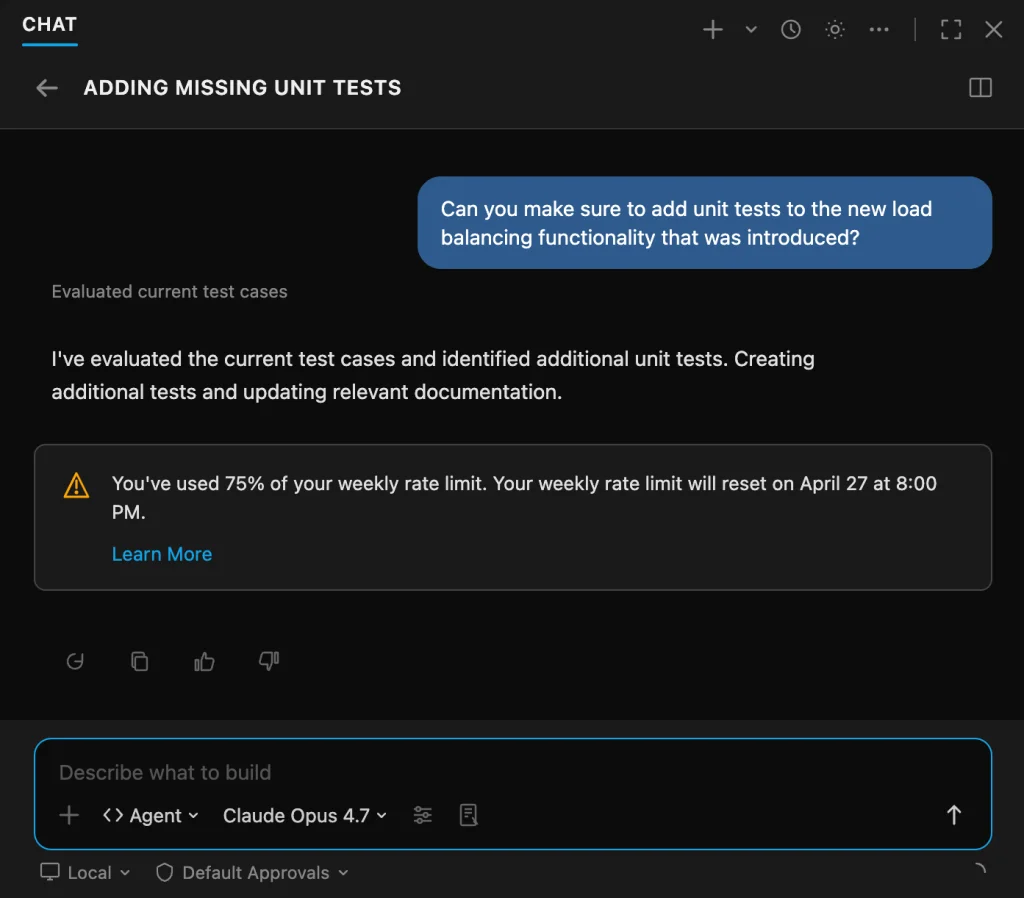
In its announcement, GitHub said the changes are meant to protect a reliable and predictable experience for existing customers. The company also said it is tightening usage limits and changing which models are available on individual plans. In practical terms, Copilot is moving away from the feel of an unlimited consumer subscription and closer to a metered developer platform with explicit guardrails.
That shift matters because Copilot is no longer just a code-completion helper. GitHub’s own description points to agentic workflows that run longer, fan out into parallel tasks, and consume far more compute than the older product shape was designed for. The result is a familiar software-systems tradeoff: if a small share of users generates most of the cost, the vendor eventually has to choose between raising price, adding limits, or slowing growth. GitHub chose all three.
For development teams, the immediate takeaway is not that Copilot is broken. It is that the economics of AI coding are becoming visible. The same product can look cheap when people use it for a few suggestions per day, and expensive when it is embedded into multi-step agent sessions, model switching, and long-running workflows inside the IDE and CLI. That is exactly the kind of usage pattern that makes AI coding feel transformative—and hard to price.
GitHub’s announcement also gives a rare public look at how quickly AI coding has evolved. A separate changelog update this week said GPT-5.5 is now generally available for Copilot users on higher-tier plans. Taken together, the two updates tell a bigger story: model choice is moving upmarket while lower-priced plans are getting more constrained. The product is not shrinking; it is stratifying.
That stratification will probably shape the next phase of AI-assisted development across the market. Vendors that bundle heavy agent workloads into flat-rate plans will feel pressure on margins. Vendors that meter usage too aggressively will frustrate developers and teams. And vendors that can keep latency low, guardrails clear, and pricing predictable may win the trust that matters most: the willingness of engineering leaders to roll these tools out broadly rather than just to a few power users.
There is also a broader platform lesson here. AI coding is no longer a novelty feature attached to a developer tool. It is an infrastructure business with real operational constraints, similar to source control hosting, CI, and cloud storage. Once a product reaches that stage, the conversation shifts from shiny demos to queueing, rate limits, model mix, and supportability.
For US software teams, that means budgeting for AI coding should start to look less like buying seats and more like buying capacity. The teams that get the most value from these tools will likely be the ones that measure usage carefully, set expectations with developers early, and keep a close eye on where the marginal tokens are going.
GitHub’s move is a reminder that AI-assisted development is still growing fast, but it is also maturing fast. The winners in this phase will not just be the tools with the flashiest agent demo. They will be the tools that can absorb demand without surprising customers every time usage spikes.