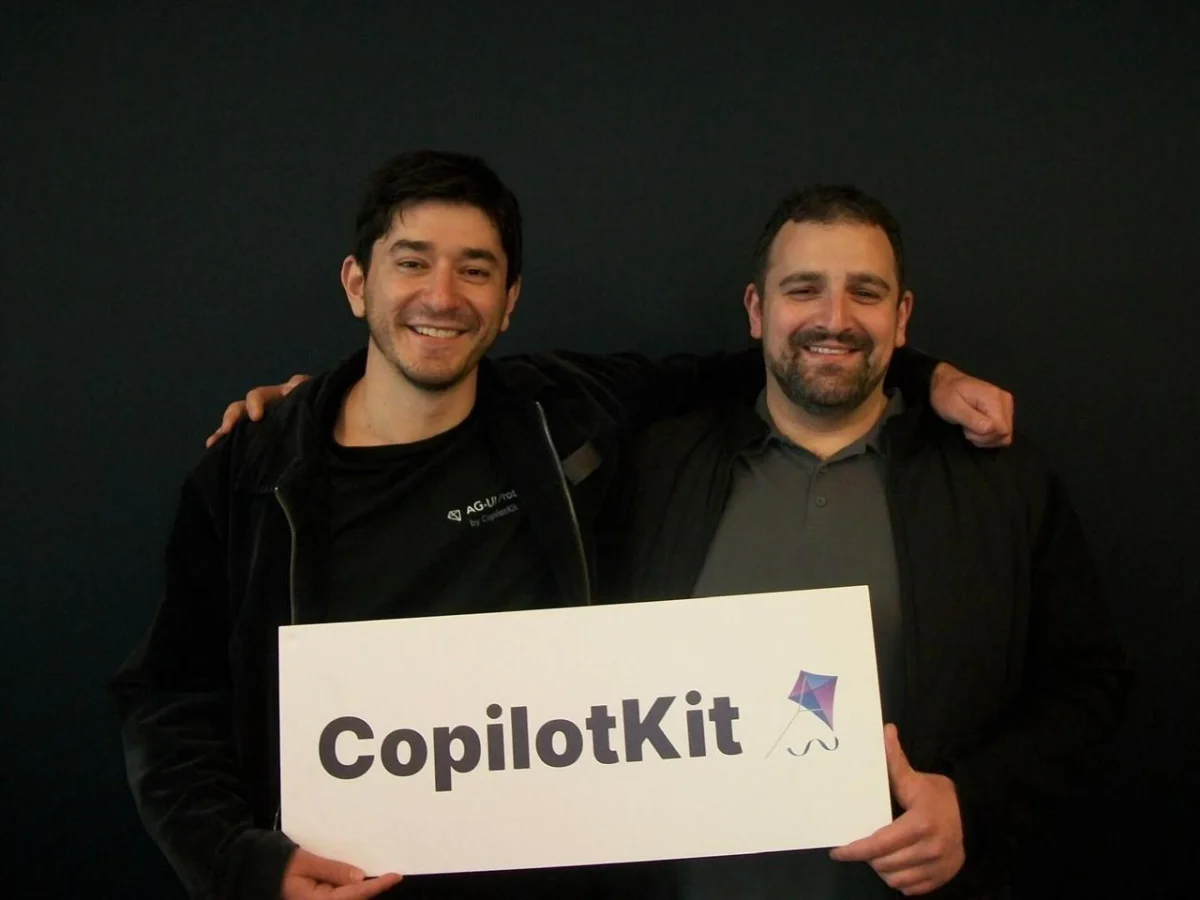
CopilotKit's $27 million raise is a small but important signal in the AI-assisted development market. The Seattle startup is betting that the next wave of AI software won't live outside apps in a separate chat window. It will be embedded inside the product itself, helping users complete tasks where the work already happens.
That shift matters because the AI coding conversation has been dominated by copilots, editors, and browser-based builders. Those tools are powerful, but they still assume the user is stepping into a separate environment to ask for help. App-native agents change the architecture. They bring the assistant into the workflow, where it can read state, make suggestions, trigger actions, and stay tied to the product logic.
Why inside-the-app agents are different
For software teams, the promise is less about flashy demos and more about reducing context switching. A product support dashboard can surface the right automation. A CRM can draft a follow-up or update a record. An internal tool can turn a plain-language request into an action without forcing the user to leave the interface.
That changes where value accrues. Instead of a generic copilot that sits beside every app, companies can build assistants that understand a specific product, a specific data model, and a specific set of permissions. The result is more room for customization, but also more room for failure if the integration is sloppy.
This is why the round matters to developers. The market is no longer asking only whether a model can generate code. It is asking whether developers can ship a reliable agent layer that fits product state, auth, safety checks, analytics, and deployment constraints.
From code generation to product behavior
That distinction is becoming central to the next phase of AI-assisted development. Code generation is now expected. The harder problem is product behavior: what the assistant is allowed to do, what it should suggest, when it should ask for confirmation, and how it should recover from a bad action.
In practice, that means the winning stack looks less like a single chat box and more like a set of building blocks: UI components, orchestration logic, tool calling, state management, and guardrails. If CopilotKit can own that layer, it becomes more than a feature. It becomes infrastructure.
Investors tend to notice when a product starts behaving like infrastructure. The reason is simple: infrastructure gets reused. Once teams build on top of it, switching costs rise, workflows harden, and the product stops being a novelty. A raise like this suggests the company believes that is exactly where the market is heading.
What teams should watch
There are three things to watch over the next few quarters.
- Reliability: If an app-native agent makes mistakes, the product has to make those mistakes visible and recoverable.
- Governance: Teams will want permissions, audit trails, and clear boundaries around what the agent can access or change.
- Distribution: The best developer tools are not just powerful; they are easy to adopt inside existing apps and workflows.
If CopilotKit and similar startups keep growing, the broader lesson for AI-assisted development is clear: the market is drifting away from "ask the model to do the thing" and toward "make the product itself capable of the thing." That is a much bigger opportunity, and a much harder engineering problem.
That is also why this funding round is interesting beyond one startup. It suggests the next generation of AI software will not merely help people write code faster. It will help software products become active participants in the work they were built to support.