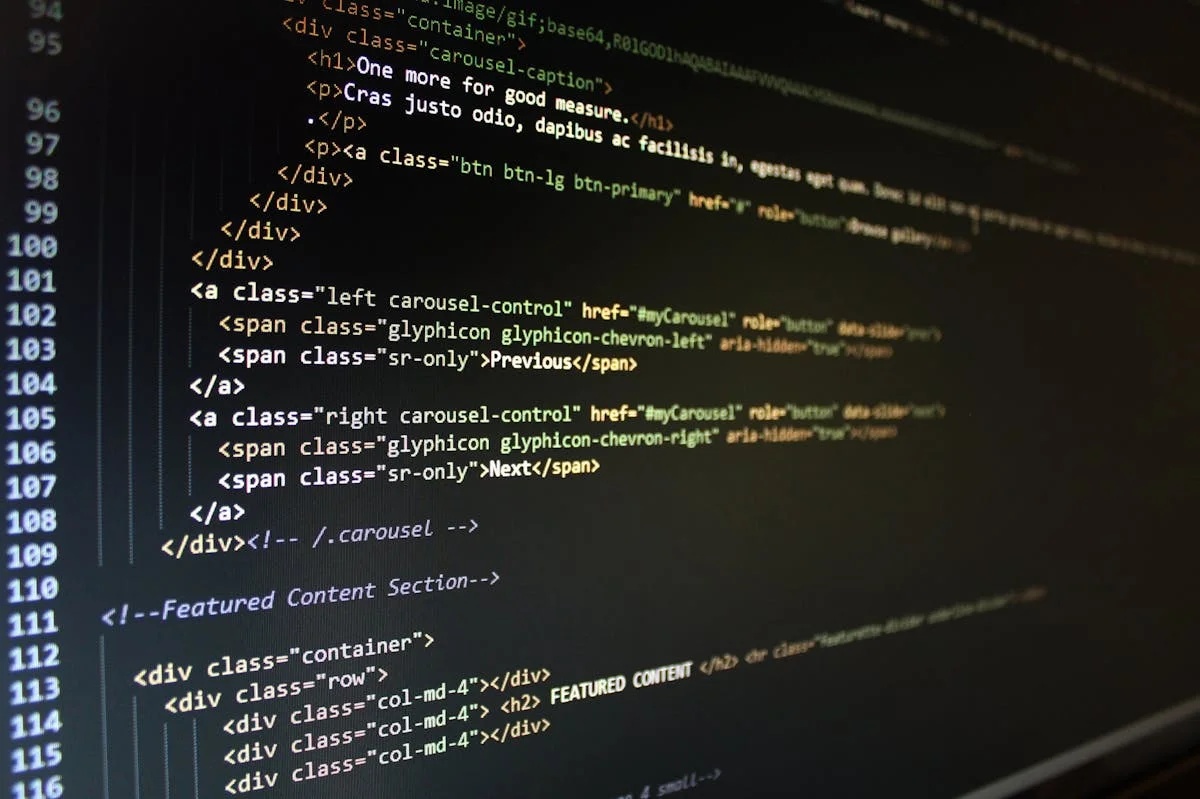
A security researcher just showed how a single publishing mistake can turn a proprietary AI coding tool into an open book. On March 31, 2026, Anthropic’s Claude Code was reported to have exposed its full CLI source code through an npm source map file, with the public mirror quickly spreading across the developer community.
The headline number is striking: roughly 1,900 TypeScript files and more than 512,000 lines of code. But the deeper story is not the size of the leak. It is what the leak says about the modern AI toolchain: these products are no longer simple wrappers around a model API. They are distributed systems with permissions, orchestration, memory, editor integrations, and a growing surface area for operational mistakes.
Why this matters for AI-assisted development
Claude Code is not just another chatbot. It is the kind of terminal-native assistant that sits inside the software delivery loop: it reads files, runs commands, manages context, and coordinates with the developer’s workflow. That means its internal architecture is highly relevant to anyone building AI-assisted development tools.
According to the public analysis, the leaked code shows a modular tool system, a large query engine, multi-agent orchestration, IDE bridges, and persistent memory. In other words, the product behaves more like an operating environment for coding than a conversational front-end. That makes the source leak especially interesting to engineers, because it reveals how the next generation of coding tools is actually put together.
The real lesson is build hygiene
The technical cause described in the report is familiar: a source map made it into a production npm package. Source maps are useful for debugging, but in the wrong build pipeline they can expose the original source tree, comments, internal naming, and implementation details that teams expected to stay private.
That is the takeaway for every team shipping JavaScript, TypeScript, or any compiled frontend/CLI artifact:
- Audit publish artifacts. Check exactly what gets included in the package before every release.
- Block source maps in production. Make sure
.mapfiles are excluded unless they are intentionally published. - Add CI checks. Fail the build if sensitive build outputs are present.
- Review secrets and comments. Source exposure is often worse than people expect because internal names and implementation notes leak context too.
Why AI companies should care more than most
AI tooling vendors often move fast, ship frequently, and bundle a lot of functionality into a single executable or web app. That creates a bigger risk surface than a classic library. The more orchestration you add — tool permissions, IDE bridges, memory systems, agent coordination, telemetry, and workflow automation — the more likely it is that a small packaging mistake exposes a surprisingly large amount of intellectual property.
For teams building coding agents, the message is simple: treat the release pipeline as part of the product. If your assistant can edit code, run commands, and manage developer workflows, then your build process needs the same seriousness you would apply to production infrastructure.
The leak does not mean AI coding tools are fragile by design. It does mean they are real software systems, and real software systems need disciplined release controls.
Bottom line
This story is less about scandal than about maturity. AI-assisted development is entering a phase where the quality of the toolchain matters as much as the quality of the model. If you are shipping developer-facing AI software, source maps are not a detail. They are part of your threat model.
And if a source map can expose half a million lines of proprietary code, every engineering team should take a fresh look at what their own build pipeline is quietly publishing.